An email list is the most valuable asset a blogger can build. Social media followers can disappear overnight when platforms change their algorithms. Google can update its search rankings and wipe out your traffic. But your email list is yours. Nobody can take it away, and nobody can change how you communicate with your subscribers.
I started building email lists seriously in 2020 after watching one of my sites lose 40% of its Google traffic during an algorithm update. The pages that survived were the ones with loyal readers who came directly through email. That experience changed how I approach blog growth entirely.
This guide covers the strategies I use to build email lists that actually convert. Not just collecting addresses but turning subscribers into engaged readers who open your emails, click your links, and become loyal followers of your content.
Why Most Bloggers Fail at Email List Building
Before getting into strategies, let me address why so many bloggers struggle with email lists despite knowing they are important.
No clear value proposition: Asking someone to "subscribe to my newsletter" without offering anything specific in return rarely works. People do not subscribe because they want more emails. They subscribe because they want something specific that solves a problem or provides value.
Generic lead magnets: "Download my free ebook" is not compelling enough in 2026. Lead magnets need to be specific, actionable, and directly related to the content the subscriber was reading when they found your signup form.
Poor placement: If your email signup form is buried at the bottom of your page or hidden in a sidebar, most visitors will never see it. Strategic placement is crucial.
No nurture sequence: After someone subscribes, sending them nothing or immediately pitching products kills engagement. A thoughtful welcome sequence builds trust before any promotion happens.
Inconsistent sending: Publishing an email once every three months trains subscribers to ignore you. Consistency builds habit.

Choosing the Right Email Tool
The email marketing platform you choose affects deliverability, automation capabilities, and how easily you can grow your list.
Free Options (Up to 1,000 Subscribers)
ConvertKit: My recommended starting point. The free plan covers up to 1,000 subscribers and includes landing pages, forms, and basic automations. The interface is clean and built specifically for creators and bloggers.
Mailchimp: Also free for up to 500 subscribers. More established than ConvertKit but the interface is more complex and geared toward businesses rather than individual bloggers.
MailerLite: Free for up to 1,000 subscribers. The cleanest interface of the three and includes basic automation. A solid choice for beginners.
When to Upgrade
Once you hit 1,000 subscribers, upgrading to a paid plan unlocks better automation, segmentation, and analytics. The cost is typically $15-30/month for a few thousand subscribers, which is easily justified by the revenue a properly monetized list generates.
Lead Magnets That Actually Convert
A lead magnet is the incentive you offer in exchange for an email address. The best lead magnets are specific, immediately useful, and related to the content that attracted the subscriber in the first place.
Lead Magnet Types That Work
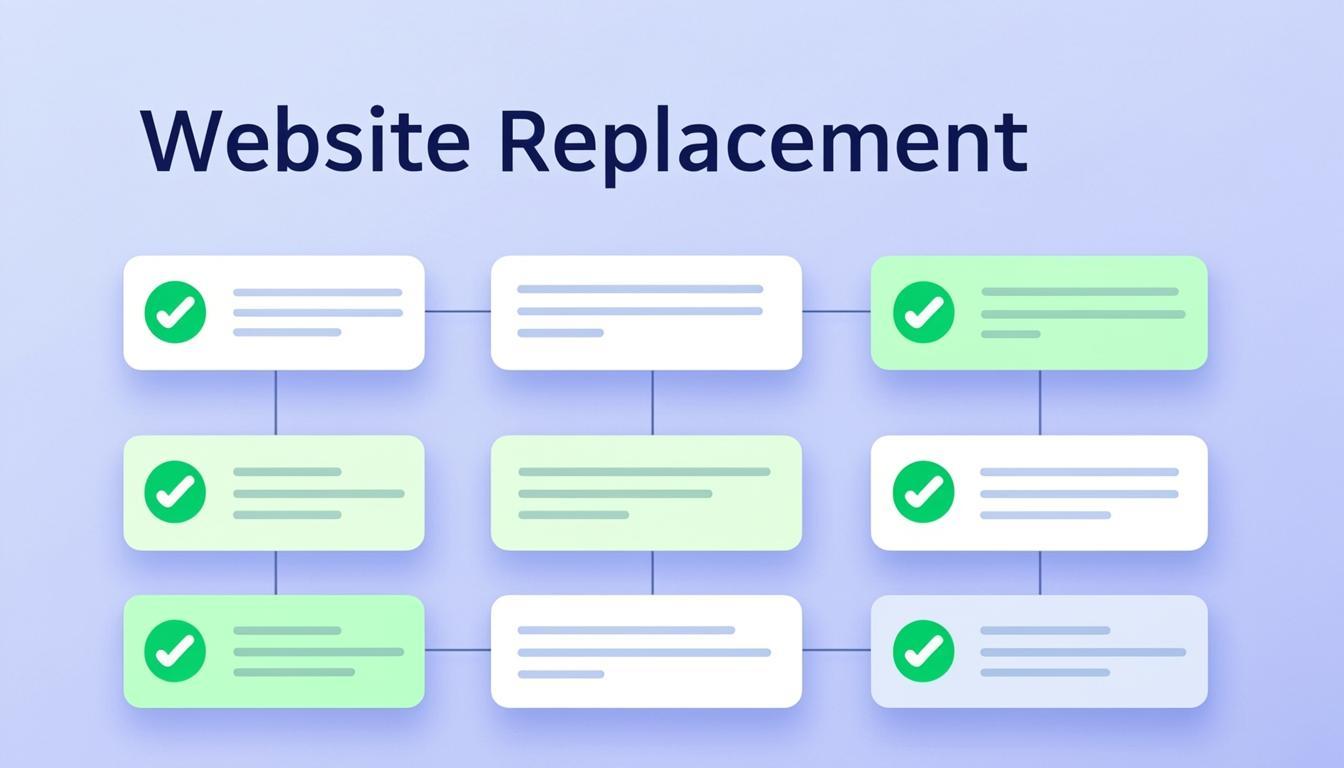
Checklists: A one-page checklist that helps readers complete a specific task. "The 12-Point Blog Launch Checklist" or "Core Web Vitals Optimization Checklist" are examples that provide immediate value.
Templates: Ready-to-use resources that save time. "SEO Content Brief Template" or "Monthly Content Calendar Template" give subscribers something practical they can start using immediately.
Calculators: Interactive tools that help readers with specific calculations. "Blog Revenue Calculator" or "Keyword Difficulty Estimator" are examples that solve a specific problem.
Mini-courses: A 3-5 email sequence teaching a specific skill. "5-Day SEO Quick Start Course" delivered over email provides ongoing value and builds the habit of opening your emails.
Resource libraries: A curated collection of tools, templates, and resources organized around a specific topic. This works well because it provides ongoing value rather than a one-time download.
How I Create Lead Magnets
I create lead magnets that are directly related to the blog post where the signup form appears. If someone is reading my article about SEO tools, the lead magnet should be something related to SEO tools. This ensures the subscriber is interested in the topic and more likely to engage with future emails.
The lead magnet should solve one specific problem completely. A 5-page guide that thoroughly solves one problem is more valuable than a 50-page guide that barely touches on ten problems.
Strategic Signup Form Placement
Where you place your signup forms determines how many visitors see them. Here are the placements I use on my sites.
Inline Forms Within Content
Placing a signup form within the body of an article, after the second or third section, captures readers who are already engaged with your content. At this point, they have read enough to trust your expertise, making them more likely to subscribe.
The form should reference the lead magnet in context: "Want the complete checklist I use for every article? Enter your email below and I will send it to you instantly."
Exit-Intent Popups
Exit-intent popups appear when a visitor's mouse moves toward the browser tab, indicating they are about to leave. These have higher conversion rates than static forms because they target visitors who would otherwise leave without subscribing.
The key is making the popup relevant. If someone is reading about blog monetization, the popup should offer a lead magnet about monetization, not a generic newsletter signup.
About Page and Contact Page
Your About page is one of the most visited pages on any blog. Visitors who read your About page are already interested in who you are and what you do. A signup form here converts well.
End-of-Post Signups
After a reader finishes an article, they are at peak engagement. A simple "Enjoyed this article? Subscribe for more like it" with a form captures readers while the content is fresh in their mind.
Dedicated Landing Page
Create a standalone landing page for your email list. This page should focus exclusively on explaining the value of subscribing, showing what subscribers receive, and providing social proof through subscriber counts or testimonials. Link to this page from your navigation menu and within articles.
The Welcome Sequence: Your First 5 Emails
What happens after someone subscribes determines whether they become a long-term reader or unsubscribe within a week. I use a 5-email welcome sequence that builds trust and sets expectations.

Email 1: Immediate Delivery (Automated)
Send the lead magnet immediately. Keep this email brief: deliver what you promised, thank the subscriber, and tell them what to expect next.
Email 2: One Day Later
Share your story. How did you start blogging? What have you achieved? What motivates you? This builds personal connection and helps subscribers see you as a real person.
Email 3: Two Days Later
Deliver your best content. Share the article or resource that you are most proud of. This gives subscribers an immediate taste of the quality they can expect.
Email 4: Three Days Later
Teach something actionable. Share a specific tip or technique that provides immediate value. This reinforces the decision to subscribe by delivering real value.
Email 5: Five Days Later
Set expectations for the future. Tell subscribers how often you will email, what topics you cover, and what they can look forward to. This manages expectations and reduces unsubscribes.
Growing Your List: Beyond the Blog
Your blog is the foundation, but other channels can accelerate list growth.
Social Media Promotion
Share your lead magnet on social media platforms where your audience is active. Twitter threads, LinkedIn posts, and Instagram stories can all drive email signups when they offer genuine value.
Guest Appearances
Appear on podcasts or write guest articles for other blogs in your niche. Include a call to action for your lead magnet in your bio or author section.
Cross-Promotion
Partner with other bloggers in complementary niches. Share each other's lead magnets with your respective audiences. This gives both of you access to new, relevant subscribers.
Segmentation for Better Engagement
Not all subscribers are the same. Segmenting your list based on interests, behavior, or source allows you to send more relevant emails.
Interest-based segments: If you write about SEO and monetization, some subscribers care more about one topic than the other. Segment based on which lead magnet they downloaded or which articles they clicked.
Engagement-based segments: Separate active subscribers who regularly open emails from inactive ones who have not engaged recently. Send re-engagement campaigns to the inactive group and reserve your best content for the active group.
Email Monetization Strategies
Once your list is engaged and growing, monetization opportunities emerge.
Affiliate Promotions
Recommend products and services you genuinely use with your affiliate link. Disclosure is mandatory, and authenticity is essential. One honest recommendation to an engaged email list can generate significant income.
Digital Products
Create and sell your own digital products: courses, ebooks, templates, or tools. An email list is the primary sales channel for most successful digital product launches.
Premium Newsletter
Some bloggers offer a paid newsletter tier with exclusive content. Substack and ConvertKit both support paid subscriptions. If your content is consistently valuable enough, readers will pay for premium access.
Sponsored Emails
As your list grows, brands may pay to reach your subscribers through sponsored emails or newsletter mentions. Rates typically range from $25-50 per 1,000 subscribers per email, depending on engagement rates.
Metrics That Matter
Track these metrics to understand your email list health:
Open rate: The percentage of subscribers who open your emails. A healthy open rate is 30-50%. Below 20% indicates a deliverability or content problem.
Click rate: The percentage of subscribers who click links in your emails. This shows how engaging your content is. A good click rate is 3-5%.
Unsubscribe rate: The percentage of subscribers who unsubscribe after each email. A rate under 0.5% is healthy. Higher rates suggest your content is not matching subscriber expectations.
List growth rate: The net change in subscribers per month, accounting for new subscriptions and unsubscribes. Consistent growth indicates your acquisition strategy is working.
Final Thoughts
Building an email list is a long-term investment that compounds over time. The subscribers you add today become the foundation of your audience for years to come. They are the readers who stick around regardless of algorithm changes, the customers who buy your products, and the community that supports your blog.
Start with one lead magnet and one signup form. Build your welcome sequence. Focus on delivering consistent value. As your list grows, refine your strategies based on the data. The bloggers with the most resilient and profitable blogs are almost always the ones who invested in their email list from the beginning.