
I discovered this strategy early in my blogging career when I realized that my articles targeting specific long-tail phrases were ranking on page one within weeks, while articles targeting broad keywords languished on page five for months. Over time, those low-competition keywords became the foundation of traffic for every website I have built.
This guide covers the exact methods I use to find and evaluate low-competition keywords. These techniques work for any niche and any blog size, from a brand new site to an established authority.

What Makes a Keyword Low Competition
Before searching for keywords, it helps to understand what "low competition" actually means in practice.
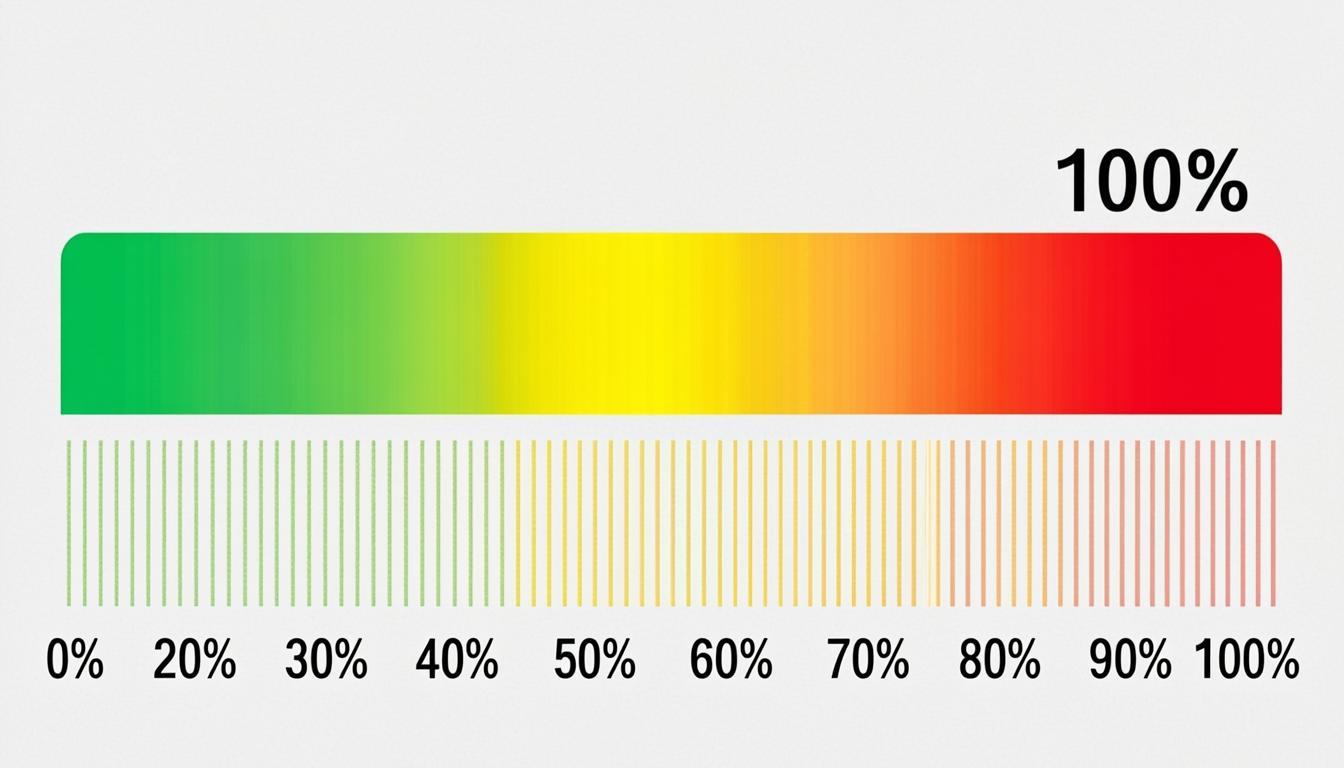
A low-competition keyword has three characteristics. First, the current top-ranking results are from sites with relatively low domain authority. If a small blog or a forum post ranks on page one, that keyword is realistically achievable for a new blog.
Second, the search intent is specific rather than broad. A keyword like "SEO" is extremely competitive because everyone writes about it. A keyword like "how to improve Core Web Vitals score for WordPress blog" is much less competitive because it targets a specific need.
Third, there is clear intent behind the search. Keywords that ask specific questions, compare specific options, or target specific problems tend to have lower competition because they require more focused content to answer properly.
How to Quickly Assess Competition
When evaluating a keyword, I do a quick Google search and check three things:
Who is ranking on page one? How long are the top results? How recent is the content?Free Methods for Finding Low Competition Keywords
You do not need expensive tools to find good keywords. Here are the free methods that have been most productive for me.

Method 1: Google Autocomplete
Start typing a keyword into Google's search bar and look at the autocomplete suggestions. These represent actual searches that real people are performing. Each suggestion is a potential keyword.
To go deeper, add letters after your base keyword. Type "how to start a blog a" and Google might suggest "how to start a blog about food" or "how to start a blog at 16." Each of these is a long-tail keyword with lower competition than the base phrase.
You can also use a question modifier. Type "how to [your topic]" and "why does [your topic]" to discover question-based keywords that often have lower competition.
Method 2: People Also Ask
When you search for any keyword on Google, the "People Also Ask" section appears with related questions. These questions are gold mines for low-competition keywords.
Click on each question to reveal more related questions. This expands into a web of related queries, each representing a potential article topic. Many of these questions are being asked by real users but do not have comprehensive answers in the existing top results.
Method 3: Google Related Searches
At the bottom of Google's search results, you will find a section of related searches. These are variations of your original keyword that people also search for. They often include more specific or geographically targeted phrases that have lower competition.
Method 4: AnswerThePublic
AnswerThePublic visualizes the questions, prepositions, and comparisons people search for around any keyword. The free version gives you enough data to find dozens of potential article topics.
The power of this tool is in revealing questions that you would not think of on your own. When I used it for keyword research on my own sites, I discovered search queries that had decent search volume but almost zero dedicated content addressing them.
Method 5: Reddit and Quora
Browse subreddits and Quora topics related to your niche. Look for questions that come up repeatedly. If people keep asking the same question across multiple threads and the answers are incomplete or scattered, that represents a keyword opportunity.
best free alternative to AhrefsUsing Free Tools for Keyword Research
Ubersuggest
Ubersuggest provides search volume, keyword difficulty, and content ideas in a clean interface. The free tier gives you three searches per day, which is enough for strategic planning when used wisely.
I use Ubersuggest to validate keywords I find through the free methods above. After identifying a potential keyword, I check it in Ubersuggest to see the search volume and difficulty score. Keywords with difficulty below 30 are generally achievable for new and growing blogs.
Google Keyword Planner
Google's own Keyword Planner is free and provides data directly from Google Ads. While it is designed for advertisers, the search volume data is useful for bloggers too. Access it through a free Google Ads account.
The Keyword Planner shows average monthly searches, competition level, and bid estimates. For bloggers, the search volume and competition metrics are the most useful.
Google Trends
Google Trends helps you determine whether interest in a keyword is growing, declining, or stable. This is crucial for deciding whether a keyword is worth investing time into.
I always check Google Trends before committing to a keyword. A keyword with decent volume but declining interest might not be worth the effort. A keyword with modest volume but rapidly growing interest could be an early-mover opportunity.
My Keyword Research Workflow
Here is the exact process I follow when researching keywords for a new batch of content.

This entire process takes me about two to three hours per batch of 10-15 keywords. The upfront investment in research saves days of writing content that targets the wrong keywords.
Types of Low Competition Keywords That Convert Well
Not all low-competition keywords are equally valuable. These types tend to drive the most engaged traffic.
Question Keywords
Keywords phrased as questions ("how to," "what is," "why does," "can you") often have clear search intent and lower competition. The searcher is looking for a specific answer, and a comprehensive article that directly answers the question will satisfy both the reader and Google.
Comparison Keywords
"X vs Y" comparisons have moderate search volume but often low competition because they require specific knowledge of both options being compared. Articles that provide honest, detailed comparisons tend to perform well.
Problem-Solution Keywords
Keywords that describe a specific problem ("WordPress white screen of death fix") attract readers who need an immediate solution. These keywords convert well because the intent is clear and urgent.
Platform-Specific Keywords
Adding a specific platform or tool to a keyword reduces competition. "SEO tips" is extremely competitive. "SEO tips for Squarespace websites" has much lower competition and attracts a targeted audience.
Year-Specific Keywords
"Best SEO tools 2026" has less historical competition than "best SEO tools" because it is a fresh query. Year-specific content tends to get a temporary ranking boost because Google favors fresh content for time-sensitive queries.
How Many Keywords to Target Per Article
One of the most common mistakes is trying to rank for too many keywords in a single article. I recommend a focused approach:
Primary keyword: Secondary keywords: Long-tail variations: start a profitable niche websiteTracking Keyword Rankings
After publishing content targeting low-competition keywords, tracking your rankings tells you whether your strategy is working.
Google Search Console: Manual checking: Ubersuggest:Common Keyword Research Mistakes
Targeting only high-volume keywords: Ignoring search intent: Chasing trends without substance: Not re-optimizing old content:Final Thoughts
Finding low competition keywords is not about discovering hidden secrets. It is about systematic research, understanding search intent, and creating content that genuinely answers specific questions better than what currently exists on page one.
Use the free methods and tools I have outlined here. Build your keyword list methodically. Write comprehensive content that goes deeper than the current top results. This approach compounds over time. Each low-competition keyword you rank for builds your domain authority, making it easier to rank for slightly more competitive keywords in the future.