SEMrush occupies the all-in-one corner of the SEO world: keyword research, site auditing, rank tracking, backlink analysis, competitor intelligence, and a pile of adjacent marketing tools in one subscription. That breadth is both the selling point and the critique, because a blogger paying for twenty tools uses three, and the question is whether the three earn the bill.
This SEMrush review focuses on that question. We walk the plan ladder with current pricing, test the two tools bloggers live in, Keyword Magic and Site Audit, check the limits that matter at each tier, and compare the result against the focused rival many publishers consider first. No scorecards, just what the subscription does for a content site trying to rank.
Quick answer:Plans and Pricing: What Each Tier Really Includes
SEMrush pricing page| Line | Pro | Guru | Business |
|---|---|---|---|
| Monthly price | 139.95 dollars | 249.95 dollars | 499.95 dollars |
| Projects | 5 | 15 | 40 |
| Tracked keywords | 500 | 1,500 | 5,000 |
| Historical data | No | Yes | Yes |
| Best for | Solo blogs | Growing teams | Agencies |
The free account and trial deserve their own honest paragraph. Signing up free grants small daily quotas that demonstrate the interface and data depth without commitment, and the trial period extends fuller access long enough to run one genuine project through keyword research, an audit, and a tracking setup. Publishers should use that window to test their actual workflow rather than clicking through tours, because the subscription decision is really a decision about weekly habits, and habits reveal themselves only under real work.
The Tools Bloggers Live In: Magic, Tracking, Audit
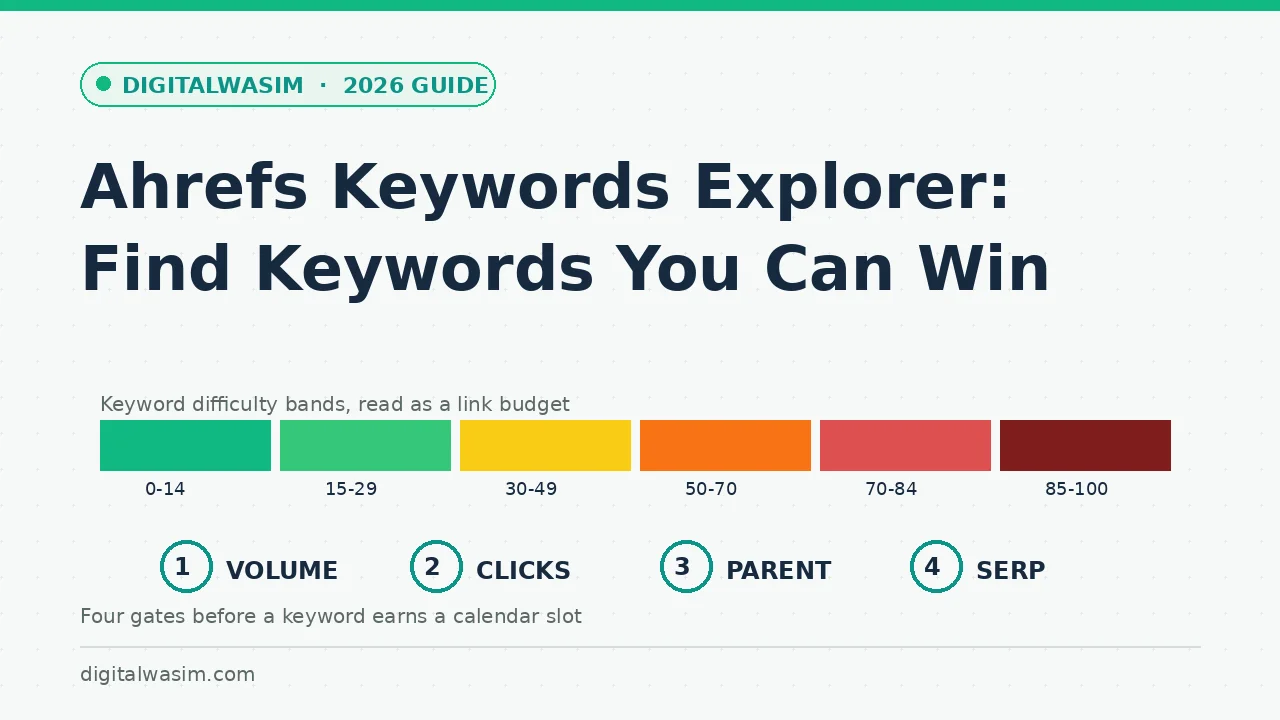
content calendar guide Ahrefs site audit guideInside Keyword Magic, three controls do most of the work. The intent filter separates informational from commercial and transactional terms, so a blogger planning posts reads only the rows that fit articles. The cluster grouping, mentioned above, collapses thousands of variants into themed buckets that become outline sections or future posts. And the keyword difficulty column, while an estimate, sorts the bucket so the winnable targets surface first. Run a seed term through those three filters and the output is a month of content planning, not a spreadsheet to decode.
SERP feature tracking rounds out the keyword story. The reports show which queries trigger featured snippets, People Also Ask boxes, and video results, and tracking watches whether your pages hold those positions. A snippet you can win by restructuring an existing paragraph is often the fastest ranking win available, and the suite makes those candidates visible instead of accidental. Fewer tools track this as cleanly across a whole project.
Competitor Intelligence: The Subscription Earner
low-competition keyword guide internal linking strategy guideProjects and limits decide which tier fits before features do. Each project wraps one domain's audit, position tracking, and ideas dashboard, and every schedule runs against the account's daily report quotas. A solo publisher running one site lives comfortably inside Pro; a publisher with three sites plus a client project needs Guru the moment the fifth project slot fills or tracked keywords pass five hundred. Check your current reality against those numbers rather than aspirational plans, because upgrading later is painless while paying for unused capacity is not.
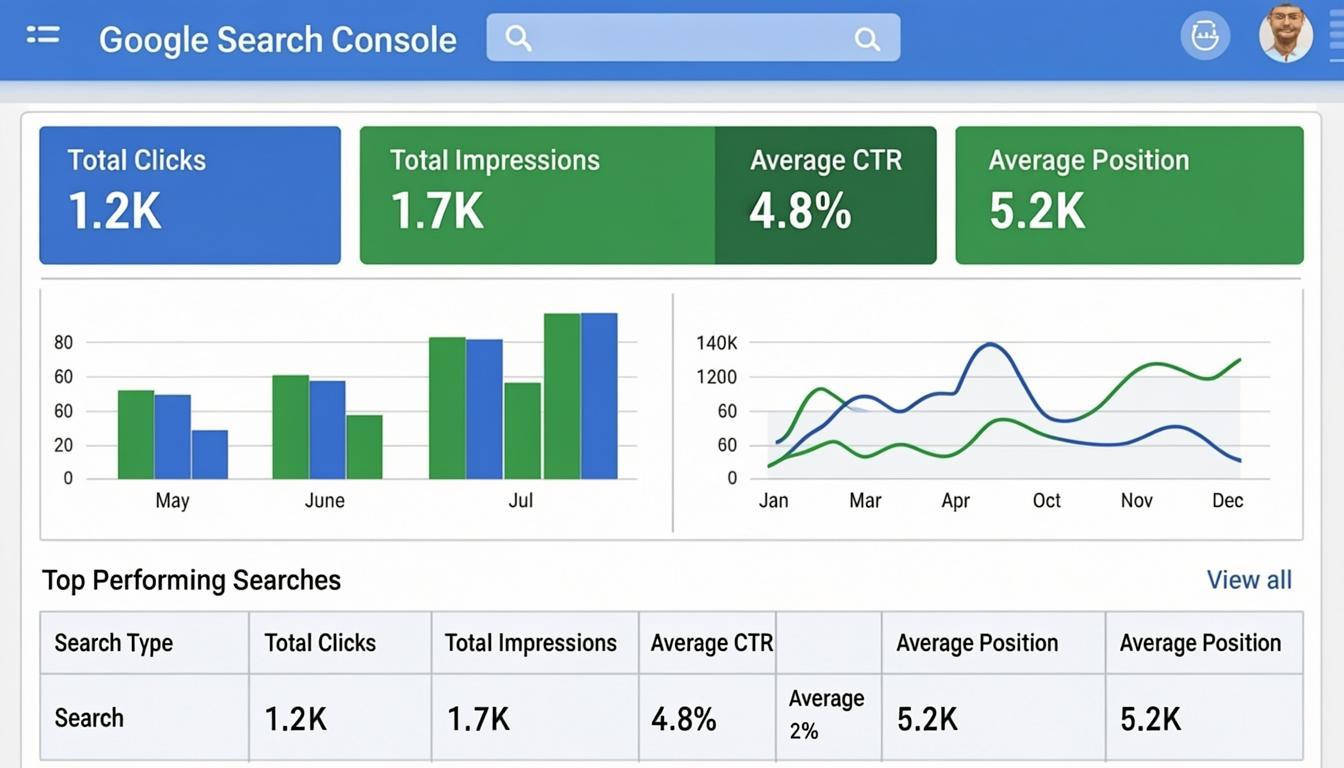
The backlink index has limits worth knowing before you lean on it. Fresh links surface quickly, but coverage varies by site age and geography, and small regional sites see thinner data than global brands. The practical pattern is to use the suite for monitoring and outreach bookkeeping while treating any single tool's link count as a sample, never a census. Publishers who cross-check major changes against Search Console keep a realistic picture of their link profile.
Market exploration tools extend the competitor work from single rivals to whole niches. The market explorer maps the players in a category by traffic and share, which puts your site in context and names the leaders whose keyword footprints deserve quarterly reviews. Traffic analytics estimates audience overlap and channel mix for any domain, including ones you have never spoken to. Used twice a year, these views prevent the slow drift where a blog keeps optimizing against rivals it already passed while newer competitors grow unwatched.
A Working Week With the Suite, and Where It Loses
A concrete week shows what the subscription actually does for a working blog. Monday, run the quarterly domain-versus-domain report and pull ten keyword gaps into a spreadsheet. Tuesday, feed the best three into Keyword Magic, filter intent, and cluster them into post briefs. Wednesday, publish the week's post and log its target keywords into Position Tracking. Thursday, review the audit report's new issues and fix the quick ones before the weekend. Friday, read the tracking changes, note which pages moved, and decide next week's brief from the evidence. Five short sessions, each with one deliverable, and the quarter's momentum becomes measurable instead of remembered.
That routine uses perhaps a third of the suite and about ninety minutes weekly. The rest of the platform, from social schedulers to ad research, waits unused, which is the honest shape of an all-in-one subscription: you rent a building and occupy two rooms. Publishers at peace with that economics stay; publishers who feel the unused rooms as waste should price the focused alternatives before renewing. Either way, the ninety minutes, not the feature list, is the thing the invoice actually buys, and keeping that number in view turns an abstract cost into a weekly line you can defend or cancel with a clear head.
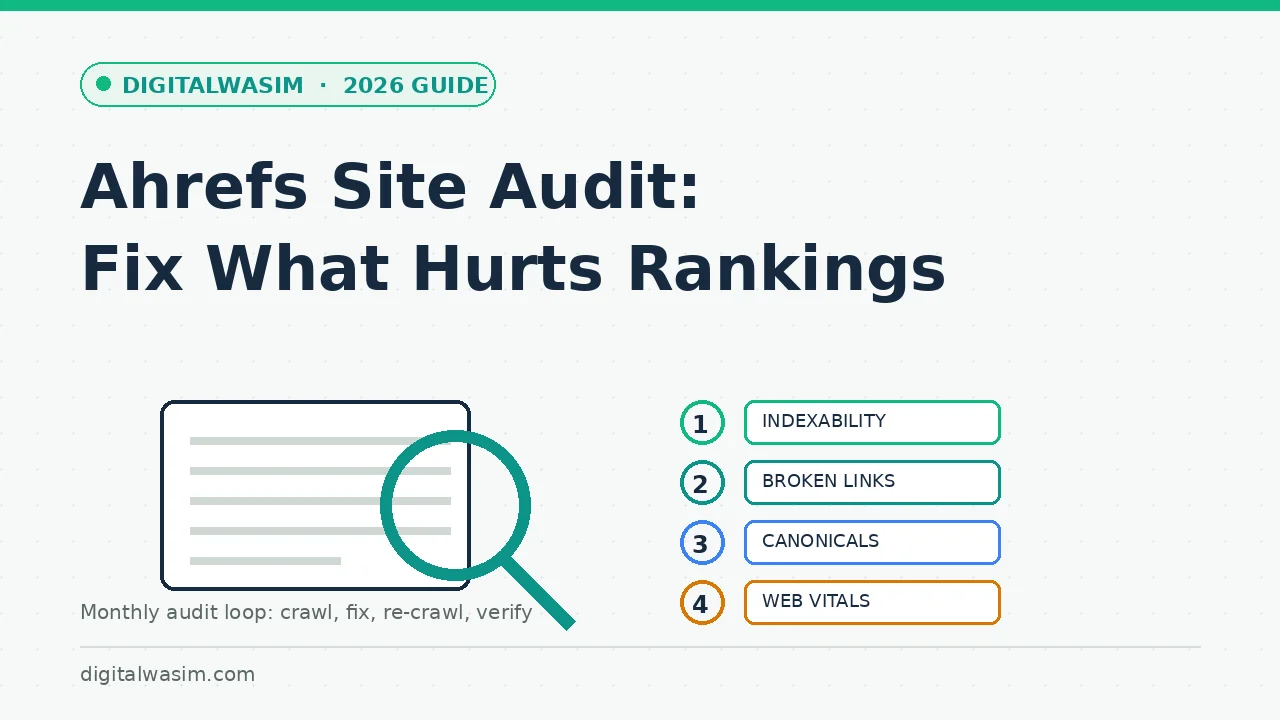
Audit scheduling and crawl settings matter more than report volume. Set the crawler to respect a sensible budget, schedule weekly for an active blog, and route the email digest to a folder you actually read, because an audit nobody revisits is decoration. The error counts will never reach zero, and chasing every warning is a treadmill; the working approach is triage, fix what blocks crawling or hurts readers this month, and let the score drift upward as a side effect of ordinary maintenance.
Search Console pro workflow Ahrefs Keywords Explorer guideThe verdict fits in two sentences. This SEMrush review finds a mature, genuinely all-in-one suite whose keyword clustering, audit, and competitor reports carry a content site's entire SEO workflow; the cost is real and the interface dense, which is the price of breadth. Start on the trial, prove the weekly habit, and only then let the subscription earn its line in your books.