How to Write SEO-Friendly Blog Headlines That Get Clicks
Learn how to craft blog headlines that rank on Google and get clicked. This guide covers proven headline formulas, power words, SEO best practices, and A/B testing strategies that increase your click-through rates.
Wasim Akram
July 29, 2026
Your blog headline is the first thing Google sees and the first thing readers decide on. A great headline can mean the difference between a page-one ranking that nobody clicks and a page-two ranking that drives hundreds of visits. After writing and testing headlines across dozens of websites, I have learned that headline writing is not guesswork. It follows patterns that you can learn, practice, and improve.
This guide breaks down exactly how to write headlines that satisfy both search engines and human readers. No fluff, no theory — just methods I have personally tested and refined over years of blogging.
Why Headlines Matter More Than Most Bloggers Think
Headlines serve two audiences simultaneously. Google reads your headline to understand what your page is about and where to rank it. Human readers scan your headline in search results to decide whether your article is worth their time. Getting both right is what separates growing blogs from stagnant ones.
I have seen articles with mediocre content outrank competitors simply because the headline matched search intent better. I have also seen outstanding articles get buried because the headline was too vague or too clever for its own good. The headline sets expectations, and Google rewards content that meets those expectations.
Research shows that 80% of people read a headline, but only 20% click through to read the article. That means your headline does four-fifths of the heavy lifting. If your headline fails, your content never gets a chance, no matter how good it is.
The Anatomy of a Strong Blog Headline
A headline that works for SEO and clicks has four elements working together. Not every headline needs all four, but the best ones combine most of them.
Element 1: Primary Keyword Placement
Your main keyword should appear as close to the beginning of the headline as possible. Google weighs the first words of a title tag more heavily than later words. If your target keyword is "blog headlines," your headline should start with those words rather than burying them in the middle.
However, keyword placement should never feel forced. If putting the keyword first makes the headline sound unnatural, move it slightly. A headline that reads well will outperform a keyword-stuffed headline every time, because readability directly affects click-through rates.
Element 2: Clear Value Proposition
Readers want to know what they will gain from reading your article. Your headline should promise a specific benefit. "How to Write Better Headlines" is vague. "How to Write Blog Headlines That Double Your Click-Through Rate" is specific and compelling.
The value proposition works best when it is measurable or concrete. Numbers, timeframes, and specific outcomes make the benefit feel real and achievable. When someone reads "Increase Traffic by 300%," that creates a clear expectation that your article will deliver a specific result.
Element 3: Emotional Trigger
Headlines that evoke curiosity, urgency, or surprise get more clicks than purely informational headlines. This does not mean resorting to clickbait. The emotional trigger should align with what your article actually delivers.
Words like "proven," "surprising," "essential," "mistakes," and "secret" trigger curiosity without misleading readers. The key is that your content must genuinely deliver on the emotional promise. If your headline says "surprising," your article must actually contain information that most readers would find unexpected.
Element 4: Appropriate Length
Google typically displays the first 50 to 60 characters of a headline in search results. Headlines under 60 characters usually display fully. Headlines over 60 characters get truncated with an ellipsis, which can cut off your most important words.
I aim for headlines between 45 and 60 characters. This length gives enough room for keywords and value propositions while staying within Google's display limit. If you need a longer headline, make sure the most critical information appears in the first 55 characters.

Proven Headline Formulas That Work
After testing hundreds of headlines, these are the formulas that consistently perform well for SEO and click-through rates.
Formula 1: How to [Achieve Specific Result] [Timeframe/Method]
This is the most reliable headline formula for SEO-focused blogs. It directly states what the reader will learn and implies a structured approach.
Examples:
- How to Write Blog Headlines That Rank on Page One
- How to Increase Blog Traffic Without Spending on Ads
- How to Choose the Right Keywords for Your Niche Blog
The key variation is adding specificity. Instead of "How to Write Better Headlines," use "How to Write Blog Headlines That Rank on Page One." The second version tells the reader exactly what they will accomplish.
Formula 2: Number + Adjective + Noun + Promise
List-based headlines work because they set clear expectations about length and scope. Readers know exactly what they are getting into.
Examples:
- 7 Headline Mistakes That Kill Your Click-Through Rate
- 12 Power Words That Make Blog Titles Irresistible
- 5 Headline Formulas Professional Bloggers Swear By
The number should be specific and reasonable. Odd numbers tend to perform slightly better than even numbers in tests. Numbers between 5 and 15 work best for in-depth articles. Using numbers also helps with finding low competition keywords because listicle formats often have lower competition than broad topic headlines.
Formula 3: Question Headlines
Questions naturally match how people search. When someone types a query into Google, they are asking a question. Matching that format makes your headline feel relevant.
Examples:
- Why Do Some Blog Headlines Get Clicked While Others Get Ignored?
- What Makes a Blog Headline SEO-Friendly?
- Are Your Blog Headlines Costing You Thousands of Visitors?
Question headlines work particularly well for topics where readers are actively seeking solutions. The question format creates an information gap that readers feel compelled to close by clicking through.
Formula 4: The Mistake-Based Headline
People are wired to avoid mistakes. Headlines that highlight common errors attract clicks because readers want to make sure they are not making those same errors.
Examples:
- 10 Blog Headline Mistakes I Made That Cost Me Traffic
- Why Your Blog Headlines Are Not Getting Clicks
- The Biggest Headline Error New Bloggers Make
This formula works because it combines the emotional trigger of loss avoidance with a clear promise of learning what not to do. Readers click because they want to verify their approach or fix a problem they suspect they have.
Power Words That Boost Click-Through Rates
Certain words consistently increase click-through rates when used in headlines. I have tracked headline performance across multiple sites, and these power words appear in the top-performing headlines more often than average.
Curiosity triggers: Proven, Secret, Little-Known, Surprising, Unexpected, Hidden, Counterintuitive
These words work because they signal that the reader will learn something new. In a world of recycled content, the promise of fresh information is powerful.
Urgency words: Today, Now, Essential, Critical, Urgent, Must-Know, Immediate
Urgency words create a sense that the information is time-sensitive or important enough to act on right away. Use these sparingly because overuse makes them lose their impact.
Authority words: Proven, Tested, Data-Driven, Research-Based, Expert, Definitive, Complete
Authority words signal that your article is backed by real experience or evidence, not just opinion. This is especially important when you are establishing Google E-E-A-T signals that help your content rank higher.
Result words: Double, Triple, Boost, Increase, Maximize, Skyrocket, Transform
Result words promise a specific positive outcome. They work best when paired with a concrete metric or timeframe. "Double Your Traffic" is stronger than "Improve Your Traffic" because it sets a clear expectation.
SEO Best Practices for Blog Headlines
Writing a clickable headline is only half the equation. Your headline also needs to work for search engines. Here are the non-negotiable SEO rules for blog headlines.
Match Search Intent
Before writing any headline, search for your target keyword on Google and look at the top-ranking titles. This tells you what Google considers the best match for that query. If every top result uses a "How to" format, your headline should probably follow that pattern too.
Search intent matters more than keyword density. Google's algorithms have gotten sophisticated enough to understand that "best SEO tools" and "top SEO tools" mean the same thing. Focus on matching the intent behind the search rather than mechanically placing exact keywords.
Avoid Keyword Stuffing
Stuffing multiple keywords into a headline hurts both readability and rankings. Google's helpful content guidelines specifically warn against creating content primarily for search engines. If your headline reads like a keyword list, it will perform worse than a naturally written headline.
One primary keyword per headline is the sweet spot. If you have a secondary keyword that fits naturally, include it. But never force keywords at the expense of readability.
Use Title Case Consistently
Capitalization affects how professional your headline appears. Use title case for blog headlines, capitalizing the first letter of major words. Most word processors have a title case feature. Consistency matters because mixed capitalization looks unprofessional and can hurt click-through rates.
Keep It Unique
Google penalizes sites with duplicate title tags. Every page on your site should have a unique headline. If you have multiple articles about similar topics, make sure each headline clearly distinguishes the content. This is part of avoiding duplicate content issues that can hurt your entire site's rankings.
How to Test and Improve Your Headlines
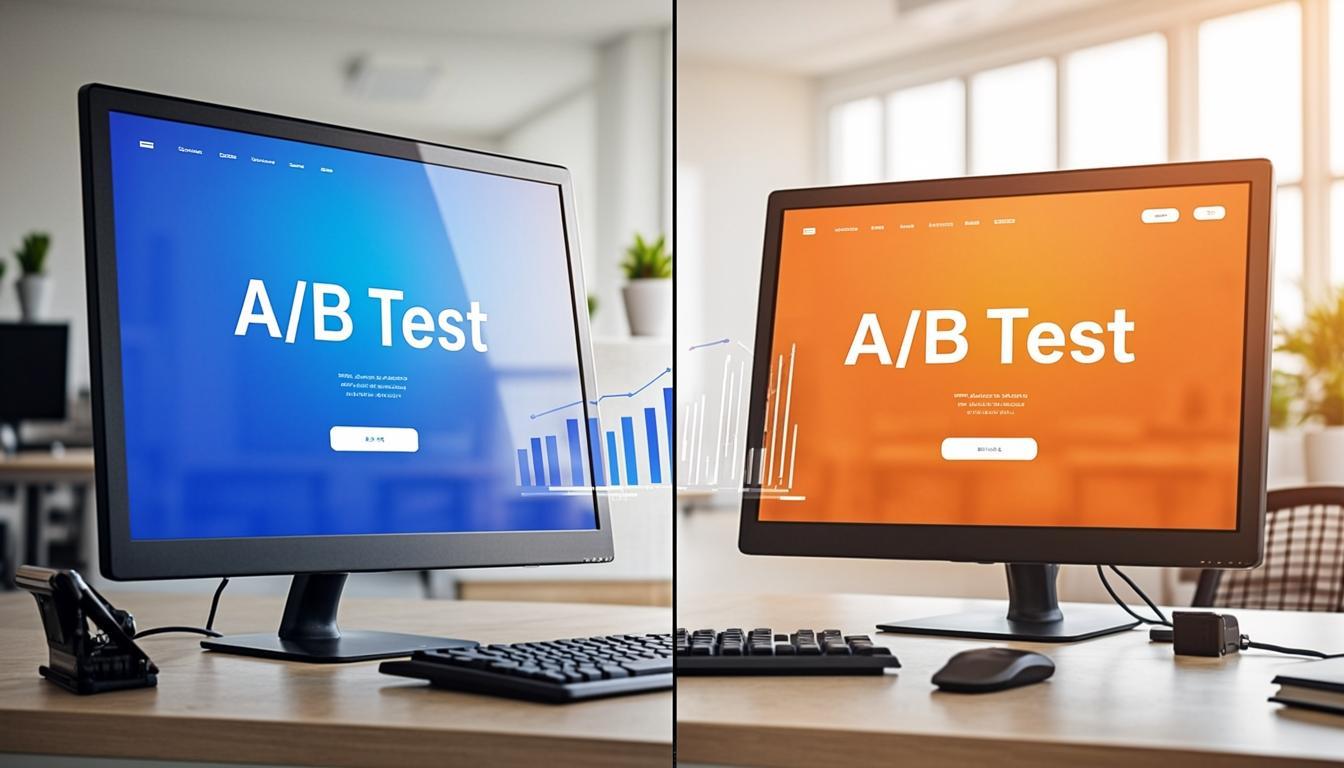
You do not have to guess whether a headline is good. Testing takes the guesswork out of headline writing and lets data drive your decisions.
Free Testing Methods
The simplest testing method is to write three or four headline options for each article before publishing. Read them aloud and ask yourself which one you would click if you saw it in search results. Your instinct as a reader is usually reliable.
You can also share headline options on social media or in blogging communities. Ask people which headline they find most compelling. This informal testing takes minutes and provides real feedback from actual readers.
For more structured testing, tools like CoSchedule's Headline Analyzer rate your headlines on factors like word balance, emotional impact, and length. While no tool is perfect, these analyzers help you spot obvious weaknesses before you publish.
Track Performance Over Time
After publishing, monitor how your headlines perform in Google Search Console. Pay attention to impressions versus clicks. High impressions with low clicks mean your headline is ranking but not compelling enough to drive traffic. This is a clear signal that the headline needs improvement.
You can update headlines after publishing without losing rankings. In fact, refreshing a headline to improve click-through rate can actually boost your rankings because Google factors user engagement into its algorithm. If your Google Search Console data shows strong impressions but weak clicks, rewriting the headline is one of the highest-impact changes you can make.
The Two-Headline Rule
I follow a simple rule: never publish with the first headline you write. Always write at least two or three options and compare them. The second or third headline is almost always stronger than the first because the process of writing multiple versions forces you to think more carefully about what makes each one effective.
Headline Mistakes That Kill Your Rankings
These are the most common headline errors I see on blogs, and each one directly impacts either your SEO performance or your click-through rate.
Headlines that are too vague. "All About SEO" tells neither Google nor readers what your article covers. Be specific about the topic and the benefit.
Headlines that are too long. Anything over 65 characters risks getting truncated in search results. The most important part of your headline might get cut off, reducing both relevance signals and click appeal.
Headlines with no emotional hook. Purely informational headlines like "Blog Headline Writing Guide" lack the emotional trigger that drives clicks. Add a benefit, a surprise element, or a specific promise.
Misleading headlines. Clickbait that overpromises and underdelivers hurts your bounce rate and signals to Google that your content does not satisfy search intent. Always deliver on what your headline promises.
Using the same headline structure for every post. If every article on your blog starts with "How to" or "10 Ways," your site looks formulaic to both readers and Google. Vary your headline structures to keep things fresh and match different search intents.
My Headline Writing Process
Here is the exact process I use for every article I publish.
First, I identify the primary keyword and search intent by checking the top-ranking results for that keyword. This tells me the format Google prefers.
Second, I write the article first. Writing the headline after the content ensures the headline accurately reflects what the article delivers. If I write the headline first, I often find that the article evolves in a slightly different direction.
Third, I write three to five headline options using different formulas. One how-to, one list-based, one question-based, and one mistake-based headline gives me options to compare.
Fourth, I check each option against my criteria: keyword placement, value proposition, emotional trigger, and length. I eliminate options that are too long, too vague, or lack a clear benefit.
Finally, I pick the strongest option and publish. After a week or two, I check performance in Search Console and optimize if needed.
This process takes about ten minutes per article, but the impact on traffic compounds over time. Better headlines mean more clicks, more clicks mean better engagement signals, and better engagement signals mean higher rankings.
Getting your headlines right is one of the highest-leverage skills in blogging. It costs nothing, takes very little time, and directly affects how many people read your content. Start applying these techniques to your next article, and you will see the difference in your click-through rates within weeks.
Tags
Written by