Google Helpful Content Update: What You Need to Know in 2026
Everything you need to know about Google's Helpful Content Updates and how they affect your blog. Learn what Google rewards, what gets penalized, and how to ensure your content passes the quality bar in 2026.

Google's Helpful Content Update system is the most significant algorithmic shift to affect bloggers in the past several years. Unlike traditional algorithm updates that target specific spam techniques, the helpful content system is designed to reward content written for people and demote content written primarily to manipulate search engines.
Since its initial rollout in August 2022, Google has refined and expanded the helpful content system multiple times. Each iteration has raised the bar for what constitutes quality content. In 2026, the standards are higher than ever, and the consequences of falling short are severe.
I have monitored the impact of helpful content updates on my own websites since the beginning. Some of my pages gained rankings. Others lost ground. The difference was always about whether the content was genuinely helpful or existed primarily to capture search traffic. This guide covers everything I have learned about what Google's helpful content system actually evaluates and how to ensure your content passes.
What the Helpful Content Update Actually Does
Let me start by clarifying what the helpful content system is and what it is not.
What it is: An automated system that identifies content written primarily for search engines rather than people. It uses machine learning to analyze content patterns, user engagement signals, and site-wide signals to determine whether a site's content is genuinely helpful.
What it is not: It is not a manual review process. Human quality raters inform the system, but the actual classification is done algorithmically. It is also not a penalty in the traditional sense. Pages affected by the helpful content system are not banned or deindexed. They are simply ranked lower because the system determines they are less helpful than alternatives.
How it works: The system generates a site-wide signal that represents how helpful a site's content is overall. This signal influences how Google ranks individual pages from that site. A site with a strong helpful content signal gets a ranking boost. A site with a weak signal gets demoted.
This site-wide nature is important. It means that even one section of low-quality content can affect the entire site. I have seen sites where 80% of articles were excellent but the 20% of thin, SEO-focused content dragged down rankings for everything.
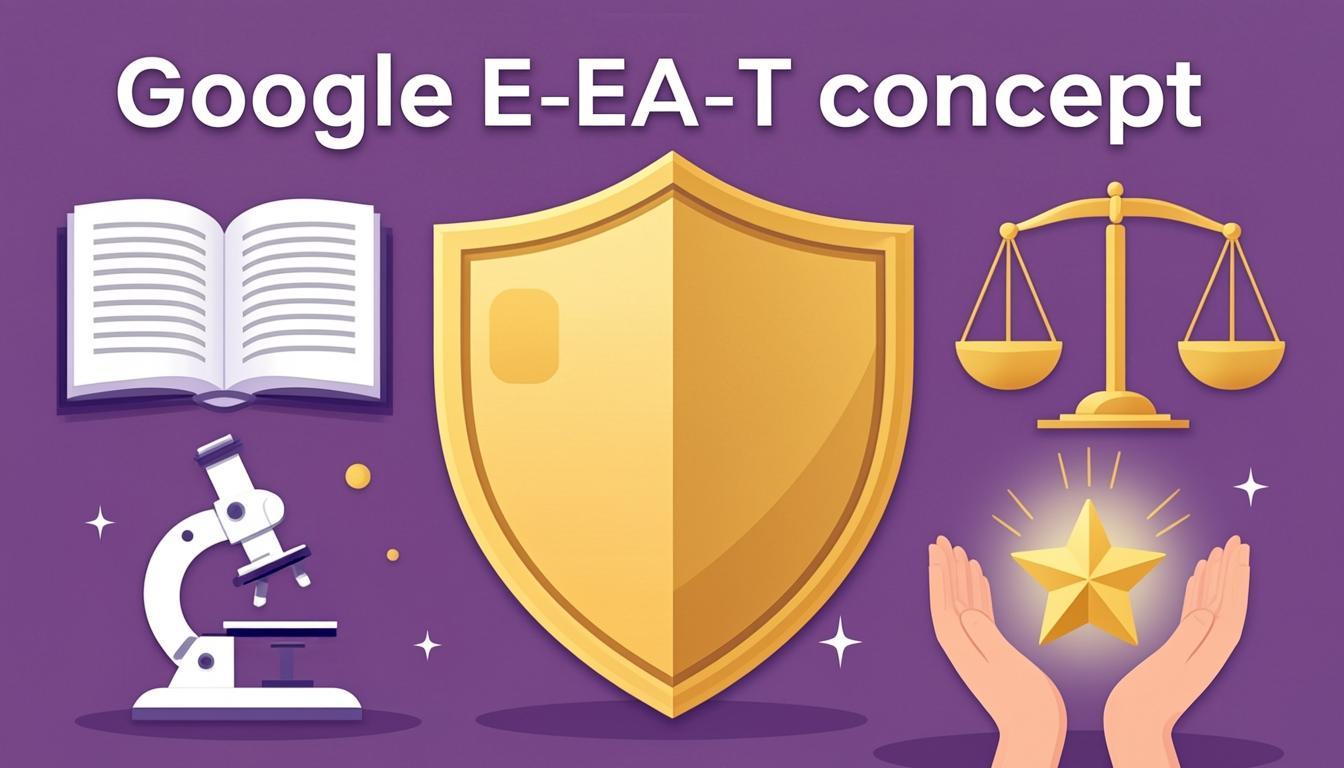
What Google Considers Helpful Content
Google has published extensive guidance on what constitutes helpful content. Here is my interpretation based on the guidelines and real-world observations.

Content Written for People First
Helpful content is created with the reader's needs as the primary consideration. The author thinks about what the reader actually wants to know, how they want to learn it, and what questions they have. The content is structured to serve the reader, not to satisfy a keyword density checklist.
This does not mean you should ignore SEO. It means SEO should support the content, not drive it. Use keywords naturally because they help readers find your content. Structure headings logically because they help readers navigate. Optimize meta descriptions because they help readers decide whether to click. These SEO best practices complement helpful content rather than conflict with it.
Content That Demonstrates Expertise
Google rewards content that shows the author actually knows what they are talking about. This is part of the broader E-E-A-T framework, which I have covered in detail elsewhere.
For bloggers, this means including personal experience, specific examples from real projects, and honest assessments rather than regurgitated information from other sources. When I write about SEO strategies, I include data from my own websites because that is what demonstrates genuine expertise.
Content That Is Comprehensive
A helpful article thoroughly covers its topic. It does not leave obvious questions unanswered. It addresses edge cases, common mistakes, and alternative approaches. The reader should finish the article feeling that they have a complete understanding of the topic.
This is why I consistently recommend writing at least 1,500 words per article. Short articles rarely provide the depth that Google's helpful content system expects for informational queries.
Content That Is Original
Helpful content adds something new to the conversation. It offers a unique perspective, original data, personal experience, or a combination of information that is not available elsewhere in the same form.
If your article covers the exact same points as the top five search results in the exact same order, it is not adding value. Google's system is increasingly good at detecting this kind of derivative content.
Content That Is Satisfying
Google evaluates whether content satisfies the user's intent. After reading your article, does the reader feel their question was answered completely? Do they need to search again for additional information? If your content sends readers back to Google to continue searching, that is a negative signal.
What Google Penalizes Under the Helpful Content System
Understanding what triggers the helpful content system's negative signals is just as important as understanding what it rewards.
Content Written Primarily for Search Engines
This is the most common trigger. Signs that content is written for search engines rather than people include:
Keyword stuffing: Repeating the target keyword unnaturally throughout the content.
Thin content: Articles that barely cover the topic, often under 500 words with surface-level information.
Content farms: Sites that publish large volumes of low-quality content targeting long-tail keywords without providing genuine value.
Generic content: Articles that could apply to any site in any niche because they are so vague and non-specific.
Content That Aggregates Without Adding Value
Curating information from other sources is fine. But if your article simply rephrases what is already available on the top-ranking pages without adding anything new, the helpful content system will identify it as unhelpful.
Content That Changes Based on Trends Without Expertise
Publishing content about trending topics just to capture traffic, when you have no genuine expertise or unique perspective on the topic, is a pattern Google's system detects. This is especially true for YMYL topics.
Automated Content Without Human Oversight
Google has been explicit that AI-generated content is not inherently bad. However, content generated by AI and published without meaningful human review and editing is likely to fail the helpful content test. AI can assist with content creation, but human expertise and editorial judgment must be involved.
How the Helpful Content System Affects Different Types of Sites
New Blogs
New blogs start with a neutral helpful content signal. This means you are neither advantaged nor disadvantaged by the system initially. However, the content you publish in your first few months establishes your site-wide signal. If your early content is genuinely helpful, you build a positive signal from the start.
If you are launching a new blog, my guide on starting a profitable niche website covers how to plan content that establishes a strong helpful content signal from the beginning.
Established Blogs
For established blogs, the helpful content system can cause significant ranking shifts. Sites that built their traffic on mass-produced content or thin affiliate pages have been among the hardest hit. The recovery process involves identifying and either improving or removing the low-quality content that triggered the negative signal.
Niche Sites
Niche sites that demonstrate deep expertise in a specific area tend to benefit from the helpful content system. Google rewards topical authority. If your site comprehensively covers a specific niche with genuinely helpful content, the system recognizes and rewards that.
Affiliate-Heavy Sites
Sites that exist primarily to push affiliate links are under particular scrutiny. If your content is product reviews that provide genuine, balanced assessments with pros and cons, you are fine. If your content exists solely to generate affiliate clicks with thin, promotional descriptions, the helpful content system will penalize it.
This connects directly to Google AdSense approval standards. Content that fails the helpful content test is unlikely to pass AdSense review either. If you are working toward AdSense monetization, meeting helpful content standards is essential for both ranking and approval.
How to Audit Your Site for Helpful Content Compliance
Here is my audit process for ensuring a site's content meets the helpful content bar.

Step 1: Identify Thin Content
Use Google Analytics to find pages with high bounce rates, low time on page, and low pages per session. These are likely thin content that does not satisfy readers. Also look for pages with very few words that could be expanded.
Step 2: Check for Duplicate or Derivative Content
Use a tool like Copyscape or Siteliner to check for duplicate content within your site. I have dealt with duplicate content issues extensively on my own sites, and they can trigger the helpful content system's negative signals.
Step 3: Evaluate Content Originality
For each article, ask: Does this article say something that the top-ranking articles do not? If the answer is no, the content needs revision to add a unique angle, personal experience, or original data.
Step 4: Assess User Intent Satisfaction
Read each article from a reader's perspective. After finishing the article, would you feel your question was fully answered? Or would you need to search for more information? If the latter, the content needs to be expanded.
Step 5: Review Site-Wide Content Quality
Look at your entire content library. Is there a consistent level of quality, or are there sections that are clearly lower quality than others? Site-wide consistency matters because the helpful content signal is calculated across your entire domain.
How to Recover from a Helpful Content Update Hit
If your site has been affected by the helpful content system, recovery is possible but requires systematic effort.
Identify the problematic content: Look at which pages lost the most rankings and traffic. Analyze what these pages have in common. Are they thin? Derivative? Overly optimized?
Improve or remove: For each problematic page, either substantially improve it or remove it entirely. Improving means adding depth, personal experience, original data, and making the content genuinely helpful. Removing means setting a 410 Gone status and removing the page from your sitemap.
Focus on new helpful content: After cleaning up the problematic content, focus on publishing new articles that are genuinely helpful. Consistent publication of high-quality content helps rebuild the site-wide signal.
Be patient: The helpful content system operates on a rolling basis, but recovery is not instant. Most sites that successfully recover see improvement within three to six months of implementing changes.
The Bigger Picture: Quality as a Long-Term Strategy
The helpful content system is not going away. If anything, Google will continue refining it to be better at identifying genuine quality versus SEO-first content. The right response is not to find ways around it but to build a content strategy that aligns with its goals.
Write content that helps real people solve real problems. Add personal experience and original insights. Be thorough and comprehensive. Make your content the best answer to the questions your audience is asking. This approach not only passes the helpful content test but also builds the kind of loyal audience that sustains a blog for years.
The bloggers who thrive in 2026 and beyond are not the ones who chase algorithm signals. They are the ones who consistently publish content so genuinely helpful that algorithms are designed to reward it.
Final Thoughts
Google's helpful content system fundamentally changed what it takes to rank in search results. The era of gaming SEO with keyword-stuffed articles and thin content is over. What replaces it is an opportunity for bloggers who are willing to invest in genuine quality.
Focus on your readers. Write content that solves their problems. Add your unique experience. Be comprehensive and honest. The helpful content system rewards exactly this kind of content, and readers reward it with their attention, trust, and loyalty.
Tags

Wasim Akram
Independent Web Publisher & Digital EntrepreneurWith 8+ years of experience in web publishing and digital entrepreneurship, Wasim builds research-driven tools and information websites that help 100K+ monthly readers make better decisions.