How to Build Backlinks for a New Blog Without Paying
Learn proven free methods to build quality backlinks for a new blog. These strategies helped me earn hundreds of backlinks without spending a single dollar on outreach tools or paid placements.
Backlinks remain one of the strongest ranking signals Google uses. Every major SEO study confirms that pages with more high-quality backlinks rank higher than pages with fewer. But when you are running a new blog with zero domain authority, getting other websites to link to you feels impossible.
I know this feeling because I lived it. When I started my first niche site, I went months without a single external backlink. My content was good, but nobody knew it existed. Once I started applying the strategies in this guide, everything changed. Sites started linking to my content naturally, and my rankings climbed from nowhere to page one.
The question of whether backlinks still matter for SEO comes up often. They absolutely do. But the methods for earning them have changed. Paid links and spammy tactics will get your site penalized. What works in 2026 is creating content so valuable that other sites want to reference it.
This guide covers every free backlink strategy I use. No paid tools required. No spam. Just proven methods that build real links over time.
Understanding What Makes a Good Backlink
Before diving into strategies, you need to understand what actually moves the needle. Not all backlinks are created equal. One link from a high-authority site in your niche is worth more than a hundred links from random directories.
A quality backlink has these characteristics:
- Comes from a website that Google trusts and has real traffic
- Is placed within the body content, not in a sidebar or footer
- Uses natural anchor text that describes your page
- Is surrounded by relevant context on the linking page
- Is a dofollow link that passes link equity
Low-value backlinks that you should avoid:
- Links from generic web directories that accept any submission
- Comment spam links on blog posts or forums
- Links from completely unrelated websites
- Links hidden in footers or sidebars across an entire site
- Links from sites that exist only to sell backlinks
Focus on earning ten great links instead of chasing a hundred mediocre ones. Quality always beats quantity when it comes to backlinks.
Strategy 1: Create Original Research and Data
This is the single most powerful backlink strategy I have used. When you publish original data, case studies, or research findings, other websites naturally reference and link to your content as a source.
Why it works: Bloggers, journalists, and content creators constantly need data to support their articles. They search for statistics, studies, and case studies to cite. If your content provides that data, they link to you.
How to do it on a new blog:
-
Run your own experiments. Test a specific SEO technique and document the results with real numbers. For example, document the traffic impact of improving your Core Web Vitals over a 30-day period.
-
Compile industry data. Gather publicly available data into a comprehensive resource. A well-organized roundup of statistics on a specific topic becomes a go-to reference.
-
Share your analytics data. If you are comfortable with it, sharing real traffic numbers, revenue data, or growth metrics from your own blog builds credibility and attracts links.
I have seen single research-based articles earn 50 or more backlinks over their lifetime. The initial effort is higher than a standard blog post, but the link-building return is enormous.
Strategy 2: Write Comprehensive Resource Pages
A resource page is an article that serves as the definitive guide on a specific topic. It covers everything a reader needs to know, making it the kind of page other sites naturally link to when they mention that topic.
What makes a great resource page:
- Covers the topic more thoroughly than any competing page
- Includes practical steps, examples, and real data
- Is formatted for readability with clear sections
- Gets updated periodically to stay current
For example, when I wrote my guide on how to start a profitable niche website, I made it the most detailed resource I could. It covered everything from niche selection to monetization. Within weeks, other bloggers started linking to it as a recommended resource.
The key insight is this: become the best answer for a specific question, and links will come naturally.
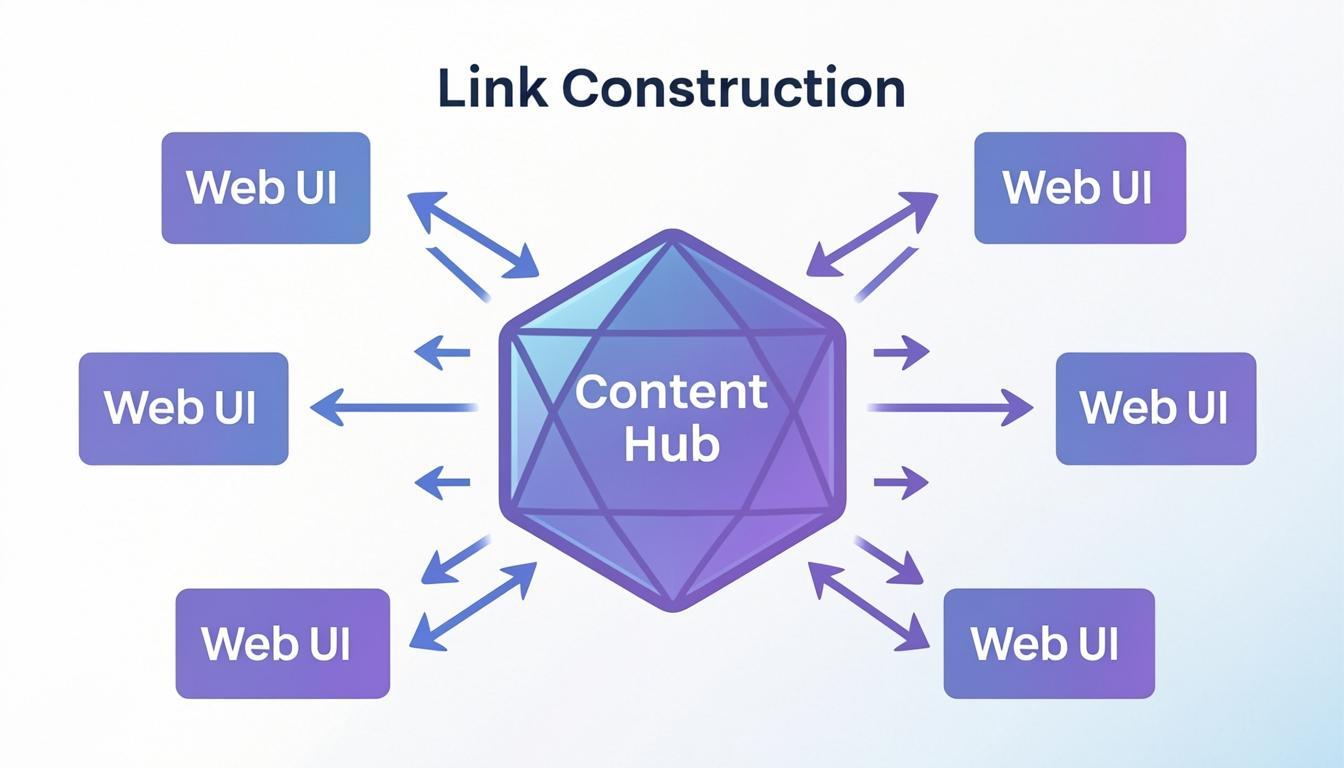
Strategy 3: Guest Posting on Relevant Blogs
Guest posting means writing a free article for another blog in exchange for a backlink to your site. It is one of the oldest link-building strategies, and it still works when done correctly.
How to find guest posting opportunities:
- Search Google for "write for us" plus your niche keyword
- Look for blogs that accept contributor posts in your industry
- Check competitor backlinks to see where they have guest posted
- Browse industry publications that accept guest articles
My guest posting rules:
-
Only write for relevant, quality sites. A link from a relevant blog with 1,000 monthly visitors is worth more than a link from an unrelated site with 100,000 visitors.
-
Write your best content. Do not save your worst articles for other people's blogs. Your guest post is a first impression. Make it count.
-
Follow their guidelines exactly. Editors reject pitches that ignore their submission guidelines.
-
Include one natural link. Place your backlink in the body content where it genuinely adds value for the reader. Never force it.
Strategy 4: HARO and Journalist Requests
HARO, which stands for Help a Reporter Out, is a platform that connects journalists with expert sources. When a journalist needs a quote for a story, they post a request on HARO. If you respond with a useful quote, they may include it in their article along with a backlink to your site.
How to succeed with HARO:
- Respond quickly. Journalists work on tight deadlines. Early responses get priority.
- Provide real expertise. Share your actual experience, not generic advice.
- Keep your response concise. A journalist is not going to read a 500-word email.
- Include your credentials briefly. A one-line bio that establishes your expertise helps.
I have earned backlinks from major publications using this approach. The links from high-authority news sites carry significant SEO weight and can also drive direct referral traffic.
Strategy 5: Create Linkable Assets
A linkable asset is any piece of content specifically designed to attract backlinks. These are different from regular blog posts because they serve a reference purpose that other sites need.
Types of linkable assets that work:
-
Infographics. Visual data representations get shared and linked to frequently. Create an infographic on a topic in your niche and make it easy for others to embed.
-
Free tools and calculators. Build a simple tool that solves a problem in your niche. A free calculator, template, or checker naturally attracts links because it provides ongoing value.
-
Definitive lists. A well-researched list of the "top 20" or "best 15" resources in your niche becomes a reference point that others cite.
-
Templates and checklists. Downloadable templates and printable checklists get linked to because they are practical resources people want to share with their audience.
When I built a free SEO audit checklist, several blogging guides linked to it as a recommended resource. The key is creating something that solves a real problem.
Strategy 6: Broken Link Building
Broken link building involves finding broken links on other websites and suggesting your content as a replacement. It is a win-win: you help the site owner fix a broken link, and you earn a backlink.
How to do it:
- Find relevant blogs in your niche that have resource pages or link roundups
- Use a tool to check for broken links on those pages
- If you have content that covers the same topic as the broken link, reach out to the site owner
- Politely point out the broken link and suggest your content as an alternative
Email template that works:
Hi [Name], I was reading your excellent resource on [topic] and noticed that one of the linked resources is no longer available. I recently published a comprehensive guide on the same topic that might be a good replacement: [Your URL]. Feel free to check it out, and thanks for the great resource.
Keep it short, helpful, and non-pushy. Most site owners appreciate the heads-up about broken links.
Strategy 7: Skyscraper Technique
The Skyscraper Technique involves finding content in your niche that already has many backlinks, creating something significantly better, and then reaching out to the sites that linked to the original content.
Step by step:
- Use Google Search Console or a backlink tool to find popular content in your niche
- Analyze what makes that content link-worthy
- Create content that is at least twice as comprehensive, better designed, or more up to date
- Find the sites linking to the original content using search operators
- Reach out to those sites and let them know about your improved version
This technique works because you are not asking for a favor. You are offering something better. The success rate is higher than cold outreach because you already know these sites are willing to link to content on this topic.
Strategy 8: Build Relationships in Your Niche
Most successful link-building is built on relationships. When other bloggers and site owners know you, they are far more likely to link to your content naturally.
How to build these relationships:
- Leave thoughtful comments on other blogs in your niche
- Share and promote their content on social media
- Mention them in your own content when it is genuinely relevant
- Connect on platforms like LinkedIn or Twitter
- Collaborate on content like interviews, roundups, or co-authored posts
I have had bloggers link to my content without me asking, simply because we had built a relationship over months of genuine interaction. This is the most sustainable link-building strategy because the links come naturally and continue to compound over time.

How to Track Your Backlinks
You need to know which sites are linking to you so you can identify what is working and double down on successful strategies.
Free ways to check your backlinks:
- Google Search Console shows your backlinks in the "Links" report
- Search for your site URL in Google with
link:operator - Use free tools that show a limited number of backlinks
What to track:
- Total number of referring domains
- Which pages on your site have the most backlinks
- Which content is earning links naturally
- The authority of sites linking to you
I check my backlinks weekly in Google Search Console. When I notice a particular article is attracting links, I update and improve that content to make it even more link-worthy.
Backlink Building Timeline: What to Expect
Building backlinks for a new blog is a long game. Here is a realistic timeline based on my experience across multiple sites.
| Timeframe | What to Expect | Focus On | |---|---|---| | Month 1-2 | 0-5 backlinks | Publishing linkable content, setting up profiles | | Month 3-4 | 5-15 backlinks | Guest posting, HARO, broken link building | | Month 5-6 | 15-30 backlinks | Resource pages, relationships, skyscraper | | Month 7-12 | 30-100+ backlinks | Natural links from established content |
The first few months are the hardest. Keep publishing high-quality content and consistently applying these strategies. The compound effect kicks in around month six, when your earlier content starts attracting links organically.
Final Thoughts
Building backlinks without paying is entirely possible, but it requires patience and consistency. The strategies that work best are the ones where you create something genuinely valuable and then make sure the right people know about it.
Every backlink you earn is a vote of confidence from another website. Focus on creating content worth linking to, building real relationships in your niche, and applying these strategies consistently. Over time, the links will come, and your blog traffic will grow as a direct result.
Do not buy backlinks. Do not participate in link exchange schemes. Do not use automated tools that spam comment sections. These shortcuts can get your site penalized, and recovering from a Google penalty takes months or even years. Play the long game, and the results will follow.
Tags

Wasim Akram
Independent Web Publisher & Digital EntrepreneurWith 8+ years of experience in web publishing and digital entrepreneurship, Wasim builds research-driven tools and information websites that help 100K+ monthly readers make better decisions.